
Propoltec
Solutions
Protection PolutionTechnologies
Safety is at the core of everything we do !
Discover our products
- Automated fire protection systems
- Automatic fire suppression systems
- Industrial fire protection systems
- Commercial fire protection systems
- Thermal cameras
- Canons
- Voice alarms
- Oil separatοrs
- Dust Suppression Systems
- Odor Control Systems
- Gas detection systems
Automated fire protection systems
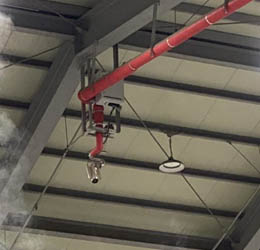
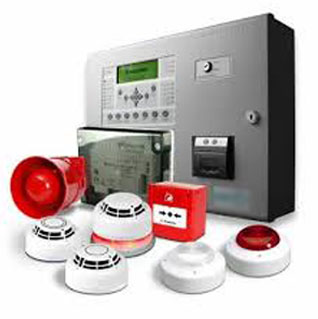
Automated fire prevention and early detection systems play a crucial role in protecting lives and property from the devastating effects of fires. These systems are designed to detect fires at their earliest stages and automatically trigger a response, such as activating fire alarms, alerting emergency services, or activating sprinkler systems.
One of the key advantages of automated fire prevention and early detection systems is their ability to respond quickly to fires, often before they have a chance to spread and cause extensive damage. This can help minimize the impact of fires and give occupants more time to evacuate safely.
These systems also offer round-the-clock monitoring and can detect fires in areas that may not be easily accessible or visible to human operators. This is especially important in large commercial or industrial buildings where fires can quickly escalate and pose a significant risk to occupants and nearby buildings.
Additionally, automated fire prevention and early detection systems can help reduce false alarms and improve the overall efficiency of emergency response efforts. By utilizing advanced technology such as smoke detectors, heat sensors, and video surveillance, these systems can accurately identify and respond to potential fire threats.
Overall, automated fire prevention and early detection systems are a critical component of fire safety and should be incorporated into building design and maintenance plans to provide optimal protection for occupants and property. Investing in these systems can help prevent catastrophic loss and ensure a safer environment for everyone.
Automatic fire suppression systems
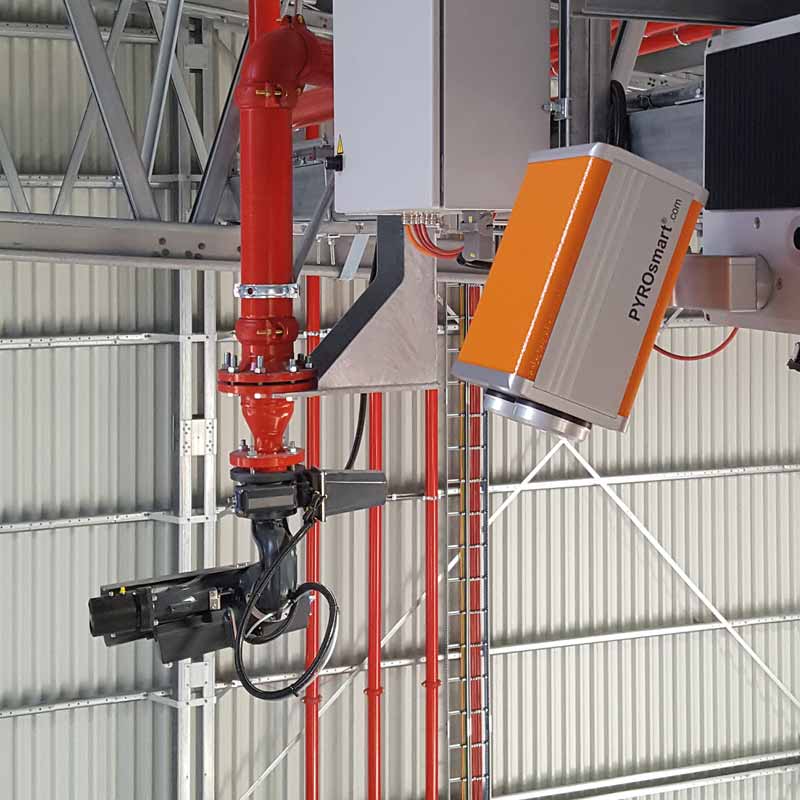
These systems use advanced technology to detect and extinguish fires quickly and effectively, minimizing damage and saving lives.
By automatically activating when smoke or heat is detected, these systems can control or suppress fires before they have a chance to spread, giving people more time to evacuate safely.
With various types of suppression agents available, including water, foam, gas, and chemicals, these systems can be tailored to meet the specific needs of different environments. Overall, automated fire suppression systems are essential in ensuring the safety and security of any building.
Industrial fire protection systems
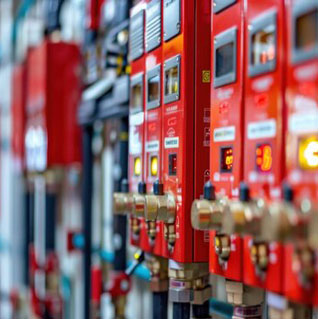
Industrial fire protection systems are essential for ensuring the safety of workers and preventing the costly damage that fires can cause to machinery, equipment, and buildings.
These systems typically include fire alarms, sprinkler systems, fire extinguishers, and fire suppression systems.
Fire alarms are designed to quickly alert individuals to the presence of a fire, allowing for a fast and safe evacuation of the premises. Sprinkler systems are installed throughout the facility and are activated by heat, releasing water to quickly extinguish a fire and prevent it from spreading. Fire extinguishers are strategically placed in the facility for easy access in case of a small fire that can be quickly extinguished by trained personnel.
Fire suppression systems, such as clean agent systems or foam systems, are also used in industrial settings to quickly and effectively extinguish fires in high-risk areas. Overall, industrial fire protection systems play a crucial role in mitigating the risk of fires and protecting both employees and property.
Commercial fire protection systems
These systems include a range of advanced technologies such as fire alarms, sprinkler systems, fire extinguishers, and specialized suppression systems designed to detect and control fires at their earliest stages.
By providing early warning and rapid response, commercial fire protection systems minimize the risk of property damage, reduce downtime, and help ensure compliance with safety regulations.
Customized to meet the specific needs of each building, these systems are critical for enhancing safety, reducing insurance costs, and giving business owners peace of mind knowing they have comprehensive fire protection in place.
Thermal cameras
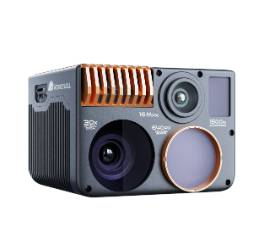
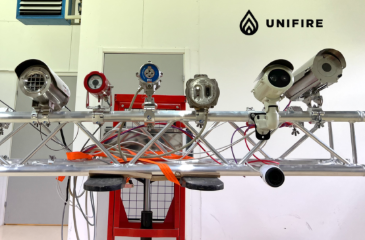
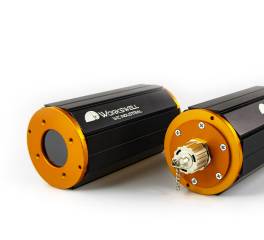
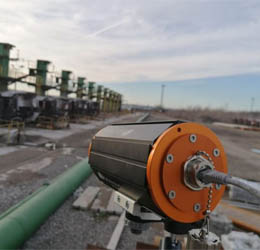
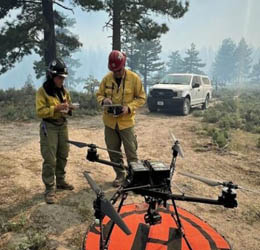
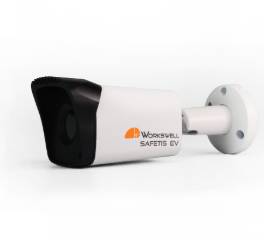
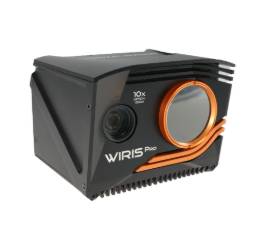
Thermal cameras and infrared (IR) cameras are essential tools for early fire detection in a variety of environments. These cameras are designed to detect differences in temperature, making them ideal for identifying potential hotspots or sources of ignition that could lead to a fire.
By continuously monitoring an area for abnormal heat signatures, thermal and IR cameras can provide real-time alerts to operators, giving them the ability to quickly respond and mitigate potential fire hazards.
Additionally, these cameras are effective in low-light environments and can detect flames or hotspots that may not be visible to the naked eye, making them invaluable tools for fire prevention and safety.
Propoltec collaborates with the leading manufacturers of thermal cameras and lenses, VisionTIR and Workswell.
Canons
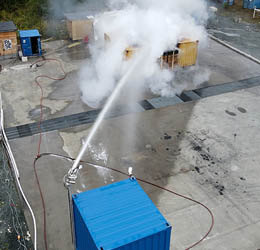
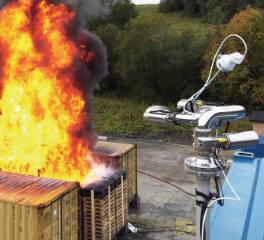
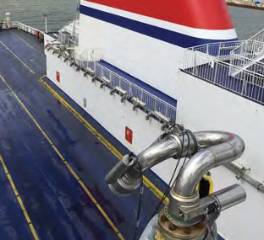
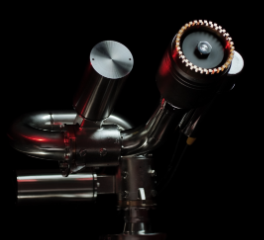
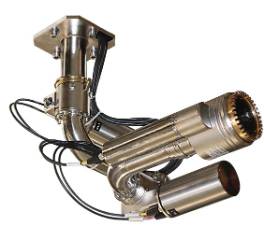
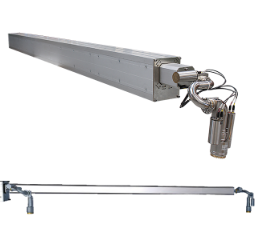
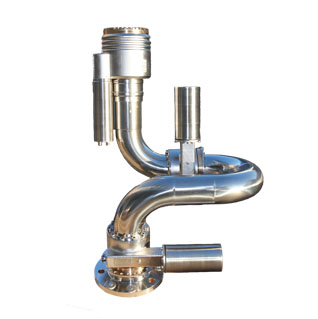
Fire suppression cannons are powerful, high-capacity systems designed to rapidly extinguish fires in large, open areas or industrial environments where traditional firefighting methods may be less effective.
These cannons use a high-pressure water mist, foam, or other specialized suppression agents, which are deployed in a fine spray to quickly suppress flames, cool hot surfaces, and prevent the spread of fire.
Often mounted on fixed or mobile platforms, fire suppression cannons can cover vast areas, reaching difficult-to-access spots and controlling fires in outdoor settings like warehouses, refineries, or chemical plants.
By providing a fast and efficient means of fire suppression, these systems minimize property damage, reduce operational downtime, and enhance safety in high-risk environments. Their ability to deliver large volumes of suppression agent over a wide area makes them an essential tool in industrial fire safety.
They are devices designed to mix a precise amount of fire-fighting foam concentrate with water to create a foam solution at the correct concentration, ensuring optimal fire suppression effectiveness.
The proportioner typically operates based on the flow of water, automatically adjusting the amount of concentrate added to maintain the desired mix ratio, regardless of variations in water pressure. This automatic mixing ensures that the foam maintains consistent quality, which is critical for controlling and extinguishing fires, especially in high-risk environments such as industrial plants, oil refineries, and aircraft hangars.
Proportioners are available in different types, including automatic and manual versions, and are selected based on the specific needs of the system and the type of fire hazards present.
Voice alarms
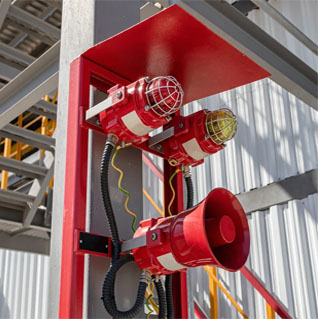
These systems are designed to work in tandem with fire detection and suppression systems, providing real-time instructions on evacuation procedures, safety routes, and areas to avoid. By offering specific, directive messaging, voice alarm systems help to reduce chaos, improve response times, and ensure a more organized and effective evacuation.
They are especially crucial in large, complex buildings such as office buildings, hospitals, and shopping centers, where clear communication can be the difference between life and death.
Oil separatοrs
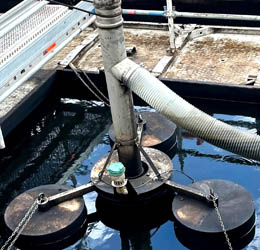
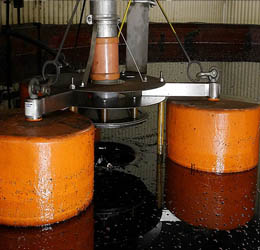
Therefore, it is crucial to remove and separate oil and hydrocarbons from water in order to protect the surrounding environment and prevent further damage to the delicate balance of aquatic ecosystems.
By implementing proper removal and separation techniques, we can mitigate the negative impacts of oil spills and work towards a cleaner and healthier environment for all.
Dust Suppression Systems
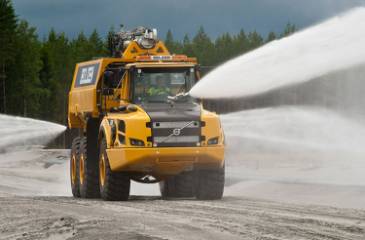
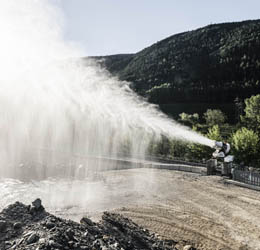
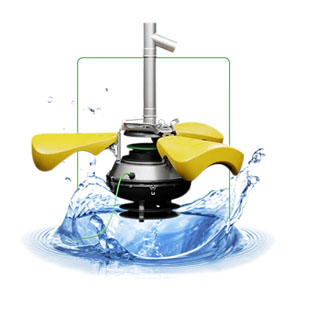
Typically, these systems operate by spraying water or other special liquids into the air to limit the spread of dust, or by using filters and absorption systems.
Dust suppression is important for protecting human health, maintaining air quality and preventing damage to machinery and equipment.
Especially in areas with intense industrial activity, these systems contribute to compliance with environmental regulations and reducing fire risks.
Odor Control Systems
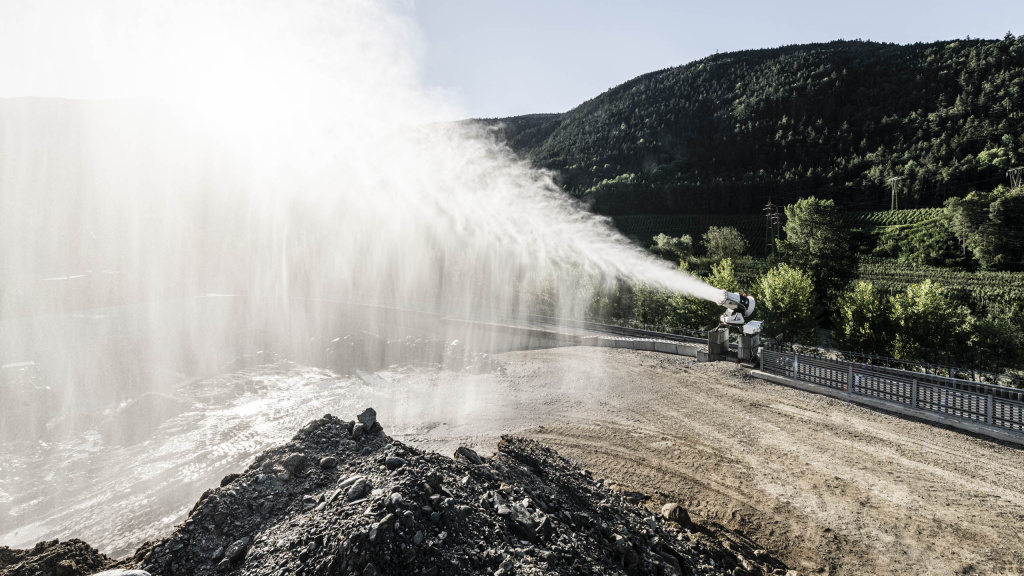
The implementation of these systems is critical for the protection of public health, as well as for compliance with environmental regulations that regulate air pollution.

Gas detection systems
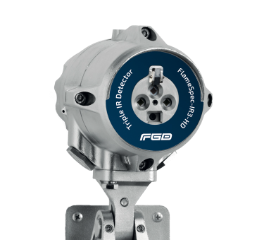
These systems operate using detectors that detect specific gases (such as carbon monoxide, ammonia, sulfur dioxide and methane) and warn personnel of the presence of dangerous concentrations.
Their goal is to ensure the safety of workers and maintain a safe working environment, preventing possible explosions or poisoning.
These systems usually incorporate visual or audible signals for immediate warning and are often linked to ventilation systems or automatic equipment shutdown to prevent accidents.